15 July 2026
What Koji Actually Does To Protein
Aspergillus oryzae breaks muscle protein into amino acids before heat ever touches the pan.
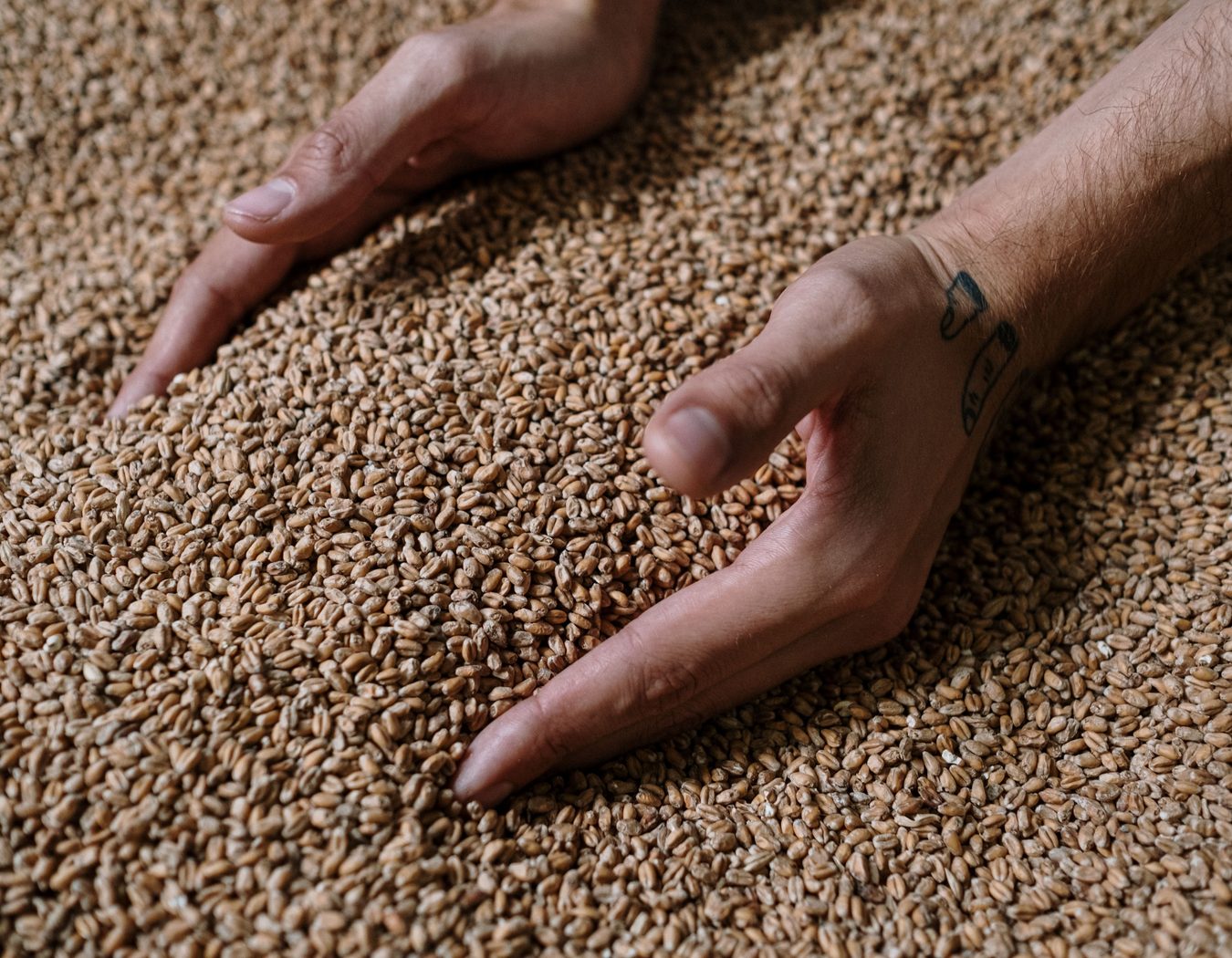
Koji is a mold. Aspergillus oryzae, grown on cooked rice or barley until a white fuzz covers every grain. It's the same organism behind soy sauce, sake, and miso, and it does one specific thing extremely well: it breaks down protein before anyone applies heat.
We grow koji in the cellar downstairs, where the temperature sits close to what the mold actually wants. Aspergillus oryzae grows fastest between 28 and 32 degrees Celsius, and a full culture takes 40 to 48 hours from spore to a rice bed you can smell across the room, sweet and a little like chestnuts. Go warmer than that and the mold grows fast but sloppy. Go colder and it barely grows at all.
What the mold is actually doing in those two days is secreting enzymes into the rice. The one that matters most to us is protease, which cuts long protein chains into shorter peptides and free amino acids. Research on soy sauce koji has found protease activity runs highest when the culture sits closer to 30 degrees rather than the warmer end of the range used for starch-breaking enzymes. That's the reason a lower, steadier room works better for anything protein-heavy than a hot, fast one.
Free amino acids are what read as umami on the tongue. Glutamate specifically. So when we coat a piece of mackerel in koji rice and let it sit for two days before it ever sees a pan, a living mold predigests the muscle fibers from the outside in, the same slow chemistry that turns soybeans into soy sauce over months, compressed onto a single fillet over two days because the surface area is so much smaller.
You can taste the difference against a piece of fish that's just been salted. Salt draws water out and firms the flesh. Koji softens the surface instead, rounds off anything sharp or metallic in the raw taste, and leaves behind something closer to what you'd get from a long dry cure, except in two days instead of three weeks.
The mold itself needs feeding and turning like anything alive. Rice gets steamed, cooled to blood temperature, inoculated with spores, then packed into trays and turned by hand every eight hours or so to stop it from overheating itself. Mold metabolism produces its own heat, and a tray left untouched in the middle of the growth window can climb past the range where the enzymes work best, which undoes the whole point of controlling the temperature in the first place.
Most people who eat nine courses over a night never ask what's actually happening in a two-day koji cure before a piece of fish reaches the pass. That's fine. Fermentation done properly stays invisible in the eating and stays completely mechanical in the kitchen. A mold that likes a specific temperature, an enzyme that works hardest at that same temperature, and two days for that enzyme to do a job that would otherwise take a knife and a lot more time.